
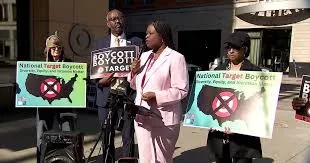
The Target Boycott that began in February 2025 is still ongoing, according to community leaders and activists in Minnesota.
Despite comments from a national religious leader suggesting the campaign had officially ended, local organizers insist the protest movement remains active and continues to pressure the retail company.
Activists say the Target Boycott started as a grassroots effort aimed at holding the retailer accountable after it rolled back several diversity, equity, and inclusion initiatives.
Organizers emphasize that the campaign originated in Minnesota and remains driven by local community leaders who believe the company has yet to address their concerns.
Origins of the Movement
The Target Boycott began after Target Corporation announced plans to discontinue several programs tied to diversity, equity, and inclusion (DEI). These initiatives were originally launched following the 2020 police killing of George Floyd in Minneapolis.
At the time, the company introduced programs intended to:
- Support career growth for Black employees
- Improve the shopping experience for Black customers
- Increase partnerships with Black-owned businesses
When those initiatives were scaled back or discontinued, racial justice organizations and community leaders called for a nationwide boycott of the retailer.
Disagreement Over the Campaign’s End
Recently, Jamal Bryant, a pastor from Atlanta who had promoted a 40-day “fast” campaign targeting the retailer, announced that the movement was officially concluding.
However, Minnesota organizers quickly responded that Bryant’s announcement does not represent the position of the broader movement.
According to activists, the Target Boycott was launched locally and is led by community organizations that remain committed to continuing the pressure campaign. They stressed that decisions about ending or continuing the protest must come from the community that initiated it.
Minnesota Leaders Say the Campaign Continues
Community leaders including Nekima Levy Armstrong, Monique Cullars-Doty, and Jaylani Hussein addressed the situation during a press conference.
They stated that the Target Boycott is still active and encouraged supporters to continue holding the company accountable.
Levy Armstrong emphasized the importance of standing firmly with community values and resisting pressure to compromise without meaningful change. She explained that activists are committed to ensuring that the voices of affected communities remain central to the movement.
Organizers also highlighted that the protest did not begin as a national campaign but as a local response to decisions made by the company. For that reason, they believe local leaders should determine its direction.
Activists Claim Company Policies Haven’t Changed
During the same briefing, Hussein stated that the Target Boycott continues because the retailer has not reversed any of its controversial decisions.
According to organizers, the company has not made concessions or policy adjustments regarding its DEI commitments. Activists say this lack of change is the primary reason the boycott remains in place.
They argue that the company’s current position signals a continued retreat from diversity and inclusion efforts that were previously promised to employees and customers.
For protest leaders, the campaign will remain active until they see concrete actions that demonstrate renewed support for diversity initiatives.
Company Response and Sales Impact
In an interview with the Associated Press, Michael Fiddelke, CEO of Target, acknowledged that the Target Boycott has had some effect on the company’s sales performance.
Fiddelke stated that declining sales were influenced in part by the protest campaign. He also recognized that rebuilding consumer trust would require significant effort.
According to the CEO, restoring confidence among shoppers is not something that can happen instantly. Instead, he suggested the company will need to demonstrate commitment through consistent actions over time.
While the company has acknowledged the economic impact, activists say that acknowledgment alone is not enough without meaningful policy changes.
Broader Debate Over Corporate DEI Programs
The Target Boycott has also become part of a larger national discussion about corporate diversity initiatives. Many companies introduced or expanded DEI programs following widespread racial justice protests in 2020.
These programs were designed to address workplace equity, representation, and economic opportunities for marginalized communities.
Supporters of corporate DEI programs believe businesses play an important role in creating equitable opportunities, while critics question the effectiveness or necessity of such initiatives.
The ongoing boycott reflects this broader debate and highlights how corporate decisions can influence public perception and community relationships.
Why the Movement Still Matters?
Activists say the Target Boycott is about more than one company. For organizers, the campaign represents a broader effort to ensure that corporations remain accountable for promises related to equity and inclusion.
Community leaders argue that when companies publicly commit to social initiatives, they should maintain those commitments rather than quietly withdrawing support later.
Supporters of the boycott believe continued consumer pressure is one of the most effective ways to encourage corporations to reconsider controversial decisions.
At the same time, some observers note that sustained protest campaigns can influence both corporate policy and public awareness about social issues.
The Target Boycott remains active despite claims that the campaign had ended. Minnesota-based organizers insist that no meaningful concessions have been made by the company regarding its diversity and inclusion policies.