
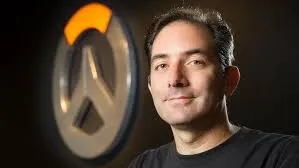
For years, Overwatch fans associated the game’s identity with its charismatic director, Jeff Kaplan. The phrase Jeff Kaplan Blizzard became synonymous with the creative vision that shaped the original Overwatch. When Kaplan unexpectedly left Blizzard Entertainment in 2021, the community was shocked.
Many players believed his departure affected the direction and launch of Overwatch 2, which later faced criticism for its changes and delays. In a recent podcast with Lex Fridman, Kaplan finally opened up about the circumstances behind his decision.
His comments revealed how intense corporate expectations, financial pressure, and disagreements about the future of esports played a major role in his exit.
The Vision Behind Overwatch
During the early years of Jeff Kaplan Blizzard, the development team focused heavily on creating a player-centered experience. Kaplan regularly communicated with the community through developer updates, helping fans feel connected to the game’s progress.
Under his leadership, Overwatch became one of Blizzard’s most popular titles, attracting millions of players worldwide. The game’s colorful characters, teamwork-based gameplay, and competitive modes helped it grow into a massive global phenomenon.
At the same time, Blizzard leadership believed the title could become the foundation for a large esports ecosystem.
Overwatch League and the Shift Toward Esports
One major initiative during the Overwatch news, Jeff Kaplan interview, Blizzard Entertainment, Overwatch League, gaming industry news, esports business, Overwatch 2 development, game developer insights, Lex Fridman podcast, Blizzard history era was the launch of the Overwatch League (OWL). Blizzard executives saw the league as a revolutionary step for esports and believed it could rival traditional sports leagues in popularity.
The goal was ambitious: build a city-based esports league with professional teams, large investors, and global audiences. Developers even planned additional features such as stronger player protections and improved infrastructure to elevate esports into what Kaplan described as a “first-class citizen” within the gaming world.
However, expectations grew quickly. Investors who purchased team slots began demanding strong financial returns. When Blizzard signed a streaming agreement with Twitch, the pressure intensified because the partnership did not perform as well as anticipated.
As the business stakes increased, creative freedom within the development team began to shrink.
Corporate Pressure Behind the Scenes
According to Kaplan, the environment during the later Jeff Kaplan Blizzard period became increasingly focused on rapid monetization.
Instead of concentrating primarily on game quality and player experience, company leadership began emphasizing revenue targets. Kaplan described the shift as a moment when corporate priorities began to overshadow creative development.
He explained that conversations increasingly revolved around short-term profit goals rather than long-term innovation for the game.
This pressure eventually led to one of the most difficult moments of his career.
The CFO Meeting That Changed Everything
In the interview, Kaplan recalled a meeting that represented the turning point for Jeff Kaplan Blizzard. He said he was summoned to speak with the company’s chief financial officer.
During the discussion, he was told that Overwatch needed to reach a specific, undisclosed financial target and then maintain consistent recurring revenue afterward.
The conversation took a shocking turn when the executive warned that if those expectations were not met, Blizzard would lay off approximately 1,000 employees—and Kaplan would be responsible.
Kaplan described this moment as the most disrespectful and surreal experience of his professional life. He felt the ultimatum placed unfair responsibility on the creative team for decisions largely driven by corporate strategy.
What Might Have Happened With Overwatch 2?
Some fans believe the trajectory of Overwatch 2 might have been different if Jeff Kaplan Blizzard leadership had continued.
When the sequel was announced, development resources shifted away from the original game. Updates slowed, leading many players to complain about a lack of content. Some critics even accused Kaplan of focusing too heavily on the planned PvE mode.
Kaplan clarified during the podcast that this perception was inaccurate. According to him, the team had a structured plan that included ongoing world updates and continued support for the live game.
Unfortunately, his departure meant those plans were never fully realized in the way he originally envisioned.
Kaplan’s Perspective on Developers and Creative Value
Reflecting on his time at Blizzard, Kaplan shared an important message for game developers. In the later stages of Jeff Kaplan Blizzard, he realized that many creators underestimate the value of their own work.
He encouraged developers to recognize their influence within the industry rather than allowing corporate leadership to control creative direction entirely.
Despite the challenges that led to his exit, Kaplan also said he still holds many positive memories from his years at Blizzard and believes it remains a place capable of producing great games and artistic ideas.
A New Chapter at Kintsugiyama
After leaving Blizzard, Kaplan did not step away from game development. Instead, he started a new studio called Kintsugiyama.
The studio is currently developing an action-survival shooter titled The Legend of California. The project takes place on a mythical version of California during the historic gold rush era and features an open-world setting.
This new venture represents a fresh beginning after the intense final years of Jeff Kaplan Blizzard, giving Kaplan the opportunity to pursue creative ideas without the same corporate pressures he described.
While Kaplan helped build Overwatch into a global success, the increasing financial demands tied to esports and investor expectations ultimately pushed him to step away.
His experience offers valuable insight into the challenges developers face when balancing artistic vision with business realities. As Kaplan continues his work at Kintsugiyama, many fans remain curious about how his new projects will evolve—and what lessons from the Overwatch era will shape his future games.