
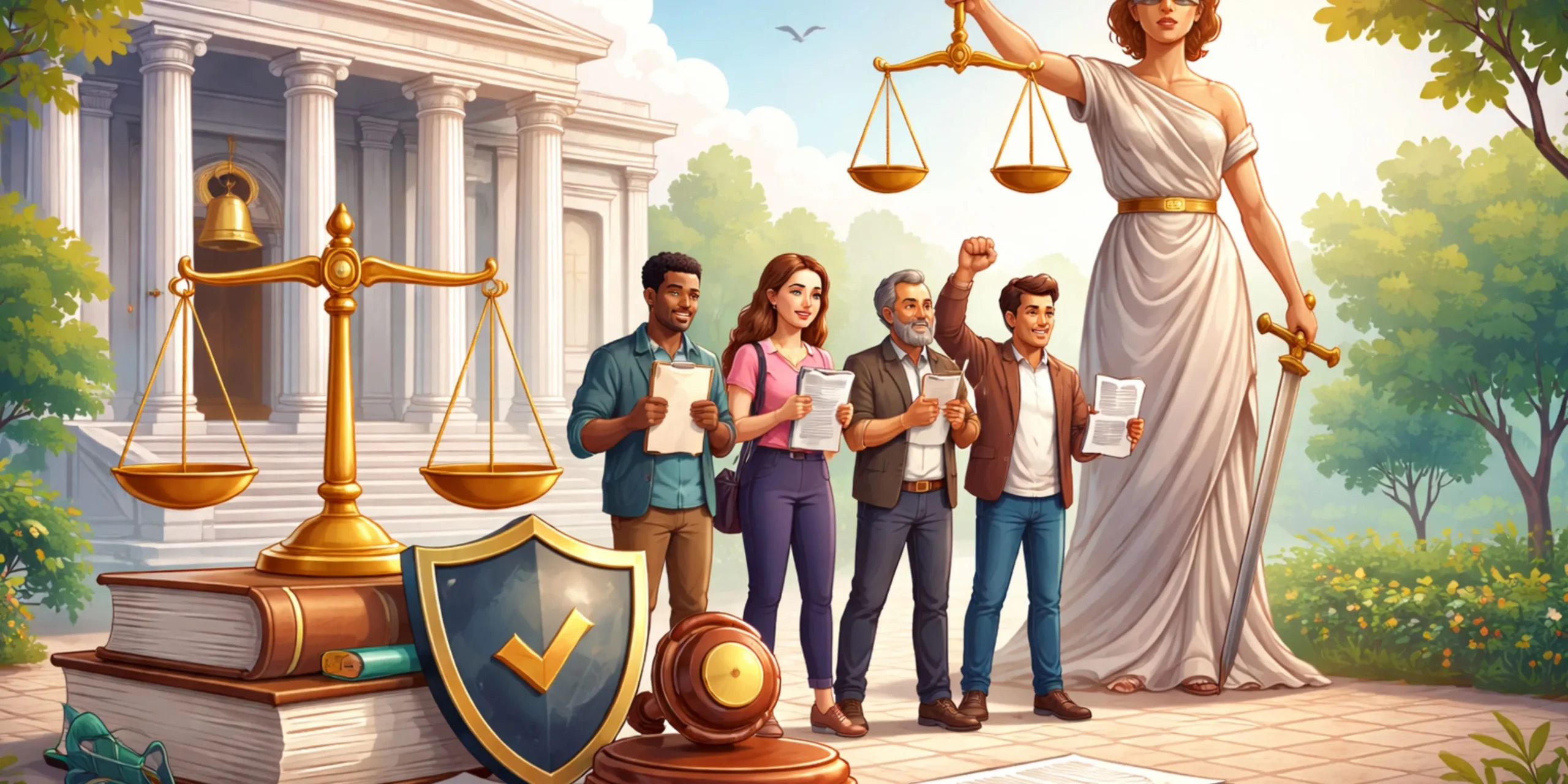
Every individual in a society is protected by a set of legal rights designed to ensure fairness, freedom, and security. These rights form the foundation of a just legal system and help maintain balance between citizens and governing authorities.
Understanding your legal rights is essential because it allows you to protect yourself, make informed decisions, and participate responsibly in society.
Many people go through daily life without fully realizing the protections available to them under the law. From consumer protections to personal freedoms, knowing your legal rights empowers you to stand up against injustice and misuse of authority.
What Are Legal Rights?
Legal rights refer to the protections and privileges granted to individuals by the law. These rights are recognized and enforced by legal systems such as courts, government institutions, and regulatory bodies.
They establish what individuals are entitled to do and what others are obligated to respect. For example, the right to equality, freedom of speech, and the right to fair treatment are commonly recognized legal rights in democratic societies.
These rights are not only meant to protect individuals but also to maintain order within communities by defining acceptable conduct and ensuring accountability.
Why Legal Rights Are Important?
The presence of clearly defined legal rights ensures that citizens are treated fairly regardless of their background, status, or beliefs. Without such protections, individuals could be vulnerable to discrimination, exploitation, or abuse of power.
Here are several reasons why legal rights matter:
Protection from Injustice
Laws provide mechanisms that protect individuals from unfair treatment. Courts and legal institutions exist to enforce legal rights and ensure justice is served.
Promoting Equality
Legal systems aim to ensure that every citizen receives equal protection under the law. These legal rights prevent discrimination based on race, gender, religion, or social status.
Maintaining Social Order
When individuals understand their responsibilities and protections under the law, society functions more smoothly. Respect for legal rights encourages mutual respect among citizens.
Types of Legal Rights Citizens Should Know
Legal systems usually categorize legal rights into several important groups. Understanding these categories can help individuals recognize the protections available to them.
1. Fundamental Rights
Fundamental rights are the most essential freedoms guaranteed to citizens. These rights protect individual liberty and personal dignity.
Examples include:
- Freedom of expression
- Right to equality
- Freedom of religion
- Right to life and personal liberty
These protections are considered core legal rights that governments must safeguard.
2. Civil Rights
Civil rights ensure that individuals can participate fully in society without discrimination. They protect individuals in areas such as employment, housing, education, and public services.
Civil legal rights promote fairness and equal opportunities for all members of society.
3. Consumer Rights
Consumer protection laws are designed to safeguard buyers from fraud, defective products, and unfair business practices.
Some important consumer protections include:
- Right to safe products
- Right to accurate information
- Right to seek compensation for defective goods
These legal rights ensure businesses operate ethically and responsibly.
4. Human Rights
Human rights are universal protections that apply to all individuals regardless of nationality or background. These legal rights are often recognized globally through international agreements and conventions.
They include:
- Right to education
- Right to freedom from torture
- Right to dignity and respect
Human rights emphasize the value and dignity of every individual.
Responsibilities That Come With Legal Rights
While legal rights protect individuals, they also come with responsibilities. Citizens must respect the rights of others and follow the laws established by society.
Some common responsibilities include:
- Following laws and regulations
- Respecting others’ freedoms and property
- Participating in civic duties such as voting or jury service
When individuals understand both their freedoms and obligations, legal rights become more meaningful and effective in maintaining harmony within society.
How to Protect Your Legal Rights?
Knowing your rights is only the first step. Taking action when those rights are violated is equally important.
Here are some practical steps individuals can take:
Stay Informed
Understanding the basics of legal rights helps individuals recognize when those rights are being violated.
Seek Legal Advice
If you face a legal issue, consulting a qualified lawyer or legal expert can help you understand your options.
Report Violations
Government agencies and legal institutions exist to address violations of legal rights and provide remedies when necessary.
Keep Documentation
Maintaining records of agreements, purchases, or incidents can help support your case if a legal dispute arises.
Understanding legal rights is essential for every citizen living in a modern society. These protections ensure fairness, promote equality, and maintain social stability.
By learning about your rights and responsibilities, you can confidently navigate legal situations and protect yourself from injustice.
Awareness of legal rights not only empowers individuals but also strengthens democratic systems by encouraging accountability and respect for the rule of law.
When citizens understand their rights and exercise them responsibly, society becomes more just, transparent, and balanced.
FAQs
What are legal rights in simple terms?
Legal rights are protections and freedoms given to individuals by law that allow them to live safely and fairly in society.
Why should citizens know their legal rights?
Understanding your legal rights helps protect you from unfair treatment, allows you to make informed decisions, and ensures justice.
Can legal rights change over time?
Yes, legal rights can evolve as societies grow and governments introduce new laws to address modern challenges.