
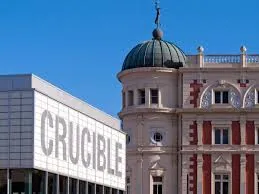
The Sheffield Theatres organization has recently faced criticism following the appointment of three new senior leaders. The decisions, announced during a staff meeting last spring, have sparked concern among employees and members of the city’s theatre community.
While hiring familiar colleagues is common in leadership transitions, some staff believe the recruitment process at Sheffield Theatres overlooked strong local candidates and favored individuals closely connected to the current artistic director.
This situation has reignited discussion about the influence and reach of Sheffield Theatres within the city’s cultural landscape.
Leadership Changes Announced to Staff
During a meeting with employees, chief executive Tom Bird introduced three incoming additions to the senior leadership team. According to an employee who attended the meeting, Bird described the new directors and outlined their professional backgrounds. However, one detail was notably absent.
Despite their prior roles at Pitlochry Festival Theatre, Bird reportedly did not mention this connection when discussing the new hires. For many staff members, the omission raised eyebrows because Pitlochry Festival Theatre is a respected institution in Scotland’s theatre scene.
The situation is particularly noteworthy because Elizabeth Newman, the current artistic director of Sheffield Theatres, previously led the Pitlochry Festival Theatre before moving to Sheffield at the start of the previous year.
Previous Professional Connections
Further scrutiny revealed that the three newly appointed leaders had previously worked with Newman in Scotland. All three were senior members of her team at Pitlochry Festival Theatre.
Additionally, two of them had collaborated with her earlier at the Octagon Theatre in Bolton, another organization Newman previously led.
Such professional networks are not unusual in the arts sector. Leaders often bring trusted colleagues with whom they have successfully worked in the past. However, in this case, the extent of the shared professional history has raised questions about hiring practices within Sheffield Theatres.
Concerns From Staff and Local Theatre Community
While many acknowledge that the new hires appear capable and qualified, some employees feel frustrated with the recruitment process. Several individuals believe that strong candidates from Sheffield and the surrounding region were overlooked.
According to sources familiar with the process, multiple applicants with local experience were rejected despite having relevant qualifications. Critics argue that these candidates might have offered valuable insight into the city’s cultural environment.
Documents reviewed by observers show that one of the positions offered an annual salary of £40,000 for a 32-hour work week. For some in the theatre industry, that level of compensation is considered relatively high.
One unsuccessful candidate reportedly remarked that the requirements for the role seemed minimal, suggesting that the hiring standards were unusually low.
These concerns have intensified debate surrounding the leadership approach at Sheffield Theatres.
The Question of Cultural Influence in Sheffield
A major factor behind the controversy involves the broader influence of Sheffield Theatres in the local arts scene. According to employees, the organization already holds considerable power within the city’s theatre ecosystem.
One staff member described the institution as having a “cultural monopoly.” This perception has grown stronger since the organization absorbed the Montgomery Theatre earlier last year.
By expanding its portfolio of venues, Sheffield Theatres now plays an even larger role in shaping the cultural opportunities available to performers, directors, and audiences in the region.
As a result, leadership decisions within the organization are viewed as particularly significant for the city’s wider theatre community.
Greg James Launches Charity Cycling Challenge
In a separate story attracting public attention, BBC Radio 1 presenter Greg James recently began a demanding charity cycling challenge.
James shared an emotional update about his father’s health before starting the journey. He revealed that his father is still alive and has shown small signs of improvement, though his condition remains serious.
Reflecting on the experience, James explained that life can bring unexpected and painful challenges. He noted how important support from family and friends can be during such difficult times.
The presenter dedicated the challenge to people who may not have strong support systems. His comments highlighted how much harder life’s hardships can feel without a reliable network.
Details of the Charity Ride
Greg James began his cycling challenge on Friday, 13 March. The week-long journey will continue until Friday, 20 March, when he plans to reach the finish line.
Crowds gathered to cheer him on as he started the ride, demonstrating strong public support for the cause.
Listeners can follow his progress throughout the week via BBC Radio 1 and BBC Sounds. Daily updates are also scheduled on BBC Morning Live during weekdays, while BBC Radio 2 will provide coverage over the weekend.
Fans are additionally able to track his journey and milestones through social media updates.
The recent hiring decisions within Sheffield Theatres have triggered a wider conversation about recruitment transparency, leadership networks, and cultural influence within Sheffield’s theatre sector. While bringing trusted colleagues into leadership roles is not uncommon, the situation has highlighted concerns among staff who believe local talent may have been overlooked.
At the same time, the story of Greg James’s charity ride offers a reminder of how public figures use their platforms to raise awareness and support meaningful causes. Both developments illustrate the powerful intersection between community, leadership, and public engagement in today’s cultural landscape.