
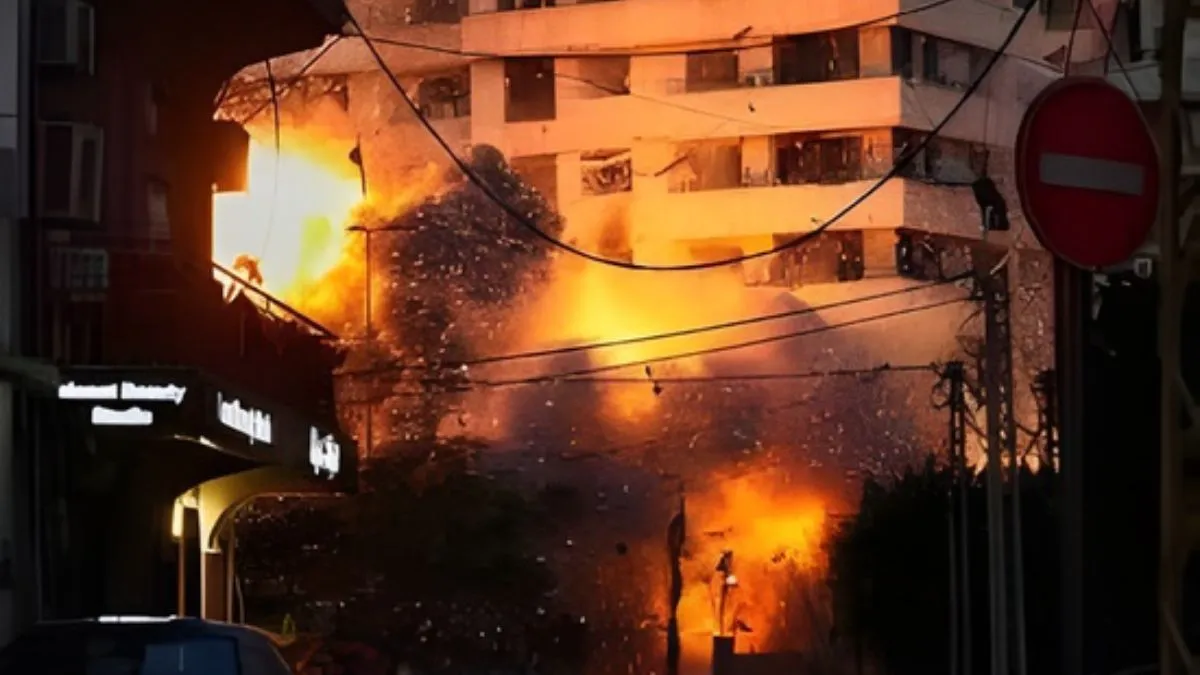
The ongoing Iran Gas Field Strikes have intensified tensions in the Middle East, raising serious concerns about global energy stability.
A series of coordinated attacks, including strikes on Iran’s largest natural gas reserve and retaliatory missile launches, has pushed the region closer to a wider conflict.
These developments are not only geopolitical but also deeply tied to the global oil and gas supply chain.
Attack on Iran’s Largest Gas Field
Israel reportedly carried out a strike targeting Iran’s massive South Pars offshore gas field, the world’s largest natural gas reserve. The facility, shared with Qatar, plays a critical role in Iran’s economy.
Iran strongly condemned the attack, warning that such actions could trigger “uncontrollable consequences” with worldwide implications. The Iran Gas Field Strikes have therefore become a focal point of the escalating conflict, with energy infrastructure now at the center of military strategies.
Iran’s Retaliation Across the Gulf
In response, Iran launched attacks on multiple energy facilities across the Persian Gulf region. Missile strikes targeted key gas infrastructure in Qatar, including the Ras Laffan LNG facility, causing extensive damage before the fire was controlled.
Additionally, Iran struck major sites in the United Arab Emirates, including the Habshan gas facility and the Bab oil field. These actions marked a significant escalation, as Gulf nations that had previously remained defensive are now directly affected.
The Iran Gas Field Strikes have expanded beyond bilateral conflict, drawing in neighboring states and increasing regional instability.
Rising Pressure on Gulf Nations
Countries like Qatar, Saudi Arabia, Kuwait, Bahrain, and the UAE have faced repeated threats and attacks since the conflict began. While these nations have largely avoided offensive operations, their energy infrastructure and military bases have been targeted.
Qatar responded diplomatically by ordering Iranian embassy officials to leave within 24 hours. Meanwhile, Gulf states continue to strengthen defensive measures as the Iran Gas Field Strikes place their economic lifelines at risk.
Impact on Global Oil Markets
The conflict has significantly affected global oil prices. Crude oil surged by over 5%, surpassing $108 per barrel, while Brent crude has risen nearly 50% since the war began.
A key factor driving this surge is Iran’s pressure on the Strait of Hormuz, a critical shipping route through which approximately 20% of the world’s oil supply passes. Disruptions here could have far-reaching consequences for global energy markets.
The Iran Gas Field Strikes are therefore not just regional events but global economic triggers impacting fuel prices and supply chains worldwide.
Political and Military Developments
The situation has been further complicated by targeted killings of high-ranking Iranian officials. Israel reportedly eliminated Iran’s intelligence minister Esmail Khatib, along with other senior figures including Ali Larijani and General Gholam Reza Soleimani.
Iran retaliated by launching advanced missile systems toward Israel, including multiple-warhead missiles designed to bypass defense systems. Some strikes caused casualties in the West Bank, marking a significant escalation in the conflict’s geographic reach.
These developments underline how the Iran Gas Field Strikes are part of a broader military confrontation involving strategic leadership targets.
Strikes in Lebanon and Civilian Impact
Israeli forces have also targeted Hezbollah-linked locations in Lebanon, striking residential buildings in Beirut. These attacks have resulted in civilian casualties and widespread displacement, with over one million people affected.
The humanitarian impact continues to grow as infrastructure destruction and displacement increase across multiple regions. The Iran Gas Field Strikes are thus contributing to both military escalation and a worsening humanitarian crisis.
International Reactions and Strategic Moves
The United States was reportedly informed about Israel’s strike plans but did not participate directly. Meanwhile, the U.S. has eased sanctions on Venezuela to boost global oil supply amid rising prices.
Global leaders have expressed concern over the prolonged closure or disruption of the Strait of Hormuz. Military experts warn that reopening the route could take time due to threats such as mines, drones, and naval attacks.
The Iran Gas Field Strikes continue to influence international diplomacy and energy policy decisions worldwide.
The Iran Gas Field Strikes mark a dangerous turning point in the Middle East conflict, shifting focus toward critical energy infrastructure.
As attacks and counterattacks intensify, the risk of a broader regional war grows. Beyond the battlefield, the consequences are being felt globally through rising oil prices, disrupted supply chains, and increasing geopolitical uncertainty.
If tensions continue to escalate, the impact could extend far beyond the region, affecting economies and energy security worldwide.