
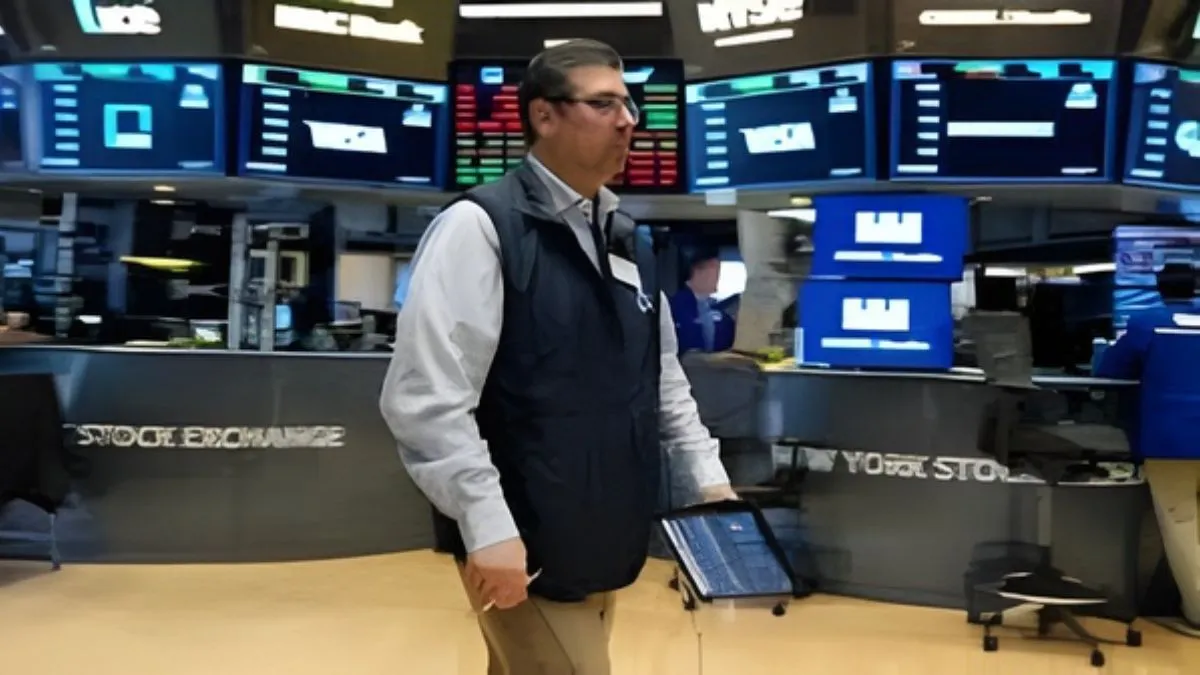
The Stock Market Crash narrative intensified as U.S. equities slipped for a second straight session, influenced by rising geopolitical tensions and volatile energy markets.
Despite early steep declines, markets recovered partially by closing, reflecting cautious investor sentiment amid uncertainty surrounding the Iran conflict and oil price fluctuations.
Market Performance Overview
Major Indexes End Lower
On Thursday, all three major U.S. stock indexes closed in negative territory:
- S&P 500 dropped 0.27% to 6,606.49
- Nasdaq Composite declined 0.28% to 22,090.69
- Dow Jones Industrial Average fell 203.72 points (0.44%) to 46,021.43
Earlier in the session, the Stock Market Crash fears were more intense, with the Dow plunging nearly 500 points and tech-heavy Nasdaq losing over 1%. However, losses narrowed by the closing bell.
This marks the second consecutive day of declines, signaling ongoing instability tied to macroeconomic and geopolitical developments.
Oil Prices and War Impact
Energy Market Volatility
Oil prices played a critical role in driving the Stock Market Crash sentiment:
- West Texas Intermediate (WTI) crude slipped slightly to $96.14 per barrel
- Brent crude rose 1.2%, closing at $108.65, its highest since July 2022
Prices initially surged after Iran targeted a key LNG facility in Qatar, escalating tensions in the region. This followed earlier attacks on Iran’s South Pars gas field.
Later, prices eased after statements suggesting potential de-escalation, which helped markets recover from their intraday lows.
Geopolitical Developments
Strait of Hormuz Crisis
The Stock Market Crash concerns are closely tied to disruptions in the Strait of Hormuz, a crucial global oil shipping route. Traffic through the passage remains severely restricted, raising fears of prolonged supply constraints.
Global leaders from Europe and Japan have expressed readiness to ensure safe navigation, but no concrete resolution has emerged yet.
Meanwhile, U.S. leadership has warned of strong retaliation if further energy infrastructure is targeted, increasing uncertainty in global markets.
Investor Sentiment and Outlook
Uncertainty Dominates Markets
Analysts believe the Stock Market Crash fears stem from the realization that the conflict may not end quickly. Earlier optimism about a short war has faded, replaced by concerns about long-term energy disruptions and inflation.
Experts suggest oil prices are unlikely to return to pre-war levels anytime soon, which could keep pressure on equities and consumer spending.
Federal Reserve Expectations
Rate Hike Possibilities
Another factor fueling the Stock Market Crash narrative is the outlook for interest rates. Economists now believe:
- No rate cuts are expected in 2026
- The next move could be a rate hike, possibly in early 2027
Rising oil prices may contribute to inflation, making it harder for central banks to ease monetary policy. This adds another layer of pressure on equity markets.
Sector Highlights
Technology Stocks Under Pressure
Technology stocks faced additional selling pressure:
- Micron Technology shares fell 3.8%, largely due to profit-taking after strong gains
This reflects a broader trend where investors are becoming more selective, especially in high-growth sectors affected by interest rate expectations.
Precious Metals and Retail Activity
Shift in Investor Behaviour
Retail investors showed mixed behaviour during the Stock Market Crash phase:
- Gold-related investments saw selling pressure
- Silver attracted strong buying interest
This indicates a shift in strategy, with investors seeking alternative opportunities amid volatile conditions.
Currency and Bond Market Trends
Unusual Market Behaviour
Interestingly, traditional market patterns did not fully hold:
- U.S. dollar strengthened despite rising oil prices
- Treasury yields increased instead of falling
This suggests that investors expect inflation to rise and believe the U.S. economy may remain relatively resilient compared to global peers.
The ongoing Stock Market Crash trend reflects a complex mix of geopolitical risks, energy market volatility, and shifting monetary policy expectations.
While markets have shown resilience by recovering from intraday lows, uncertainty remains high. Investors are now preparing for a prolonged period of elevated oil prices and cautious central bank actions.
Moving forward, careful portfolio management and selective investing will be essential as global events continue to shape market direction.