
The Kansas school loophole has become a major topic of concern after lawmakers identified gaps in existing laws governing relationships between school staff and students.
Addressing this issue, the Kansas Senate has taken decisive action to strengthen legal protections.
The proposed legislation aims to redefine authority roles within schools and eliminate ambiguities that previously allowed certain individuals to avoid prosecution.
Background of the Kansas School Loophole
The Kansas school loophole emerged due to limitations in how state law defined a “person of authority.” Under existing regulations, only specific roles—such as teachers—were clearly included. However, individuals like school resource officers, nurses, bus drivers, or contracted staff were not always covered, even though they interacted with students daily.
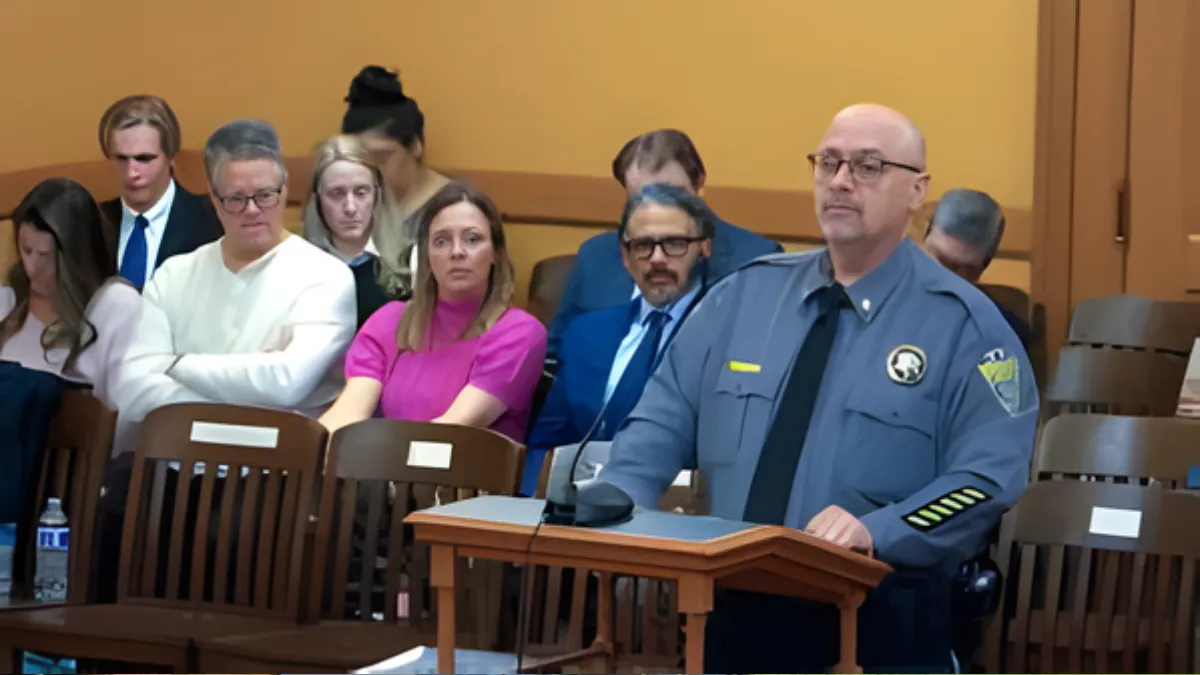
This gap raised serious concerns among law enforcement officials. Cherokee County Undersheriff Chip Root highlighted cases where individuals working closely with students were not legally classified as authority figures, allowing them to escape charges in situations that many would consider inappropriate or criminal.
Details of House Bill 2762
To address the Kansas school loophole, lawmakers introduced House Bill 2762. The bill proposes expanding the definition of a “person of authority” to include anyone working “for a school,” whether directly employed, contracted, or providing services.
The Kansas House of Representatives passed the bill unanimously with a 122-0 vote on February 19. Following this, the Senate approved an amended version with a 40-0 vote, demonstrating strong bipartisan support.
The updated definition ensures that anyone delegated to interact with students falls under stricter legal scrutiny. This includes individuals who may not be traditional school employees but still hold positions of influence or trust.
Legal Context and Age of Consent
A key factor contributing to the Kansas school loophole is the state’s age of consent, which is set at 16. Under current law, any sexual relationship involving someone under 16 is illegal. However, for students aged 16 or older, the legality depends on whether the adult involved is considered a “person of authority.”
This distinction created a gray area. For example, a high school student aged 17 or 18 could legally engage in a relationship with someone working in the school if that person wasn’t formally classified as an authority figure.
Senator Doug Shane pointed out that many people would view such relationships as inappropriate, especially when there is potential for coercion or influence. The bill aims to close this gap by ensuring that authority is defined more broadly.
Law Enforcement and Expert Testimony
Support for closing the Kansas school loophole was reinforced by testimony from law enforcement officials and advocacy groups. Chip Root emphasized that the loophole had already caused issues in his county, calling it a “glaring” problem that needed immediate attention.
Additionally, Ed Klumpp, representing the Kansas Sheriffs’ Association, testified that there were at least two known instances where individuals working in schools—but not officially employed—engaged in questionable conduct with students.
These testimonies played a crucial role in convincing lawmakers of the urgency to revise the law and ensure comprehensive protection for students.
Key Changes Proposed in the Bill
The bill addressing the Kansas school loophole introduces several important changes:
- Expands the definition of “person of authority”
- Includes contracted and service-based workers
- Covers anyone interacting with students regularly
- Removes ambiguity in legal interpretation
By broadening the scope, the legislation ensures that all individuals in positions of influence within a school environment are held accountable under the law.
Legislative Process and Next Steps
Although both chambers of the Kansas Legislature have passed versions of the bill, minor differences remain between them. Lawmakers must reconcile these differences before sending the final version to the governor for approval.
Once signed into law, the bill will officially close the Kansas school loophole, providing clearer guidelines and stronger protections for students across the state.
Impact on Students and Schools
Closing the Kansas school loophole is expected to significantly improve student safety. By ensuring that all individuals working in schools are subject to the same legal standards, the law will reduce the risk of exploitation.
Schools will also benefit from clearer policies and expectations, helping administrators enforce rules more effectively. This change reinforces trust between students, parents, and educational institutions.
The passage of House Bill 2762 marks a critical step toward addressing the Kansas school loophole. By redefining who qualifies as a person of authority, lawmakers are ensuring that no individual can exploit legal gray areas.
With strong bipartisan support and backing from law enforcement, the bill reflects a shared commitment to student safety.
Once finalized, it will close a significant gap in the law and create a more secure environment for students throughout Kansas.