
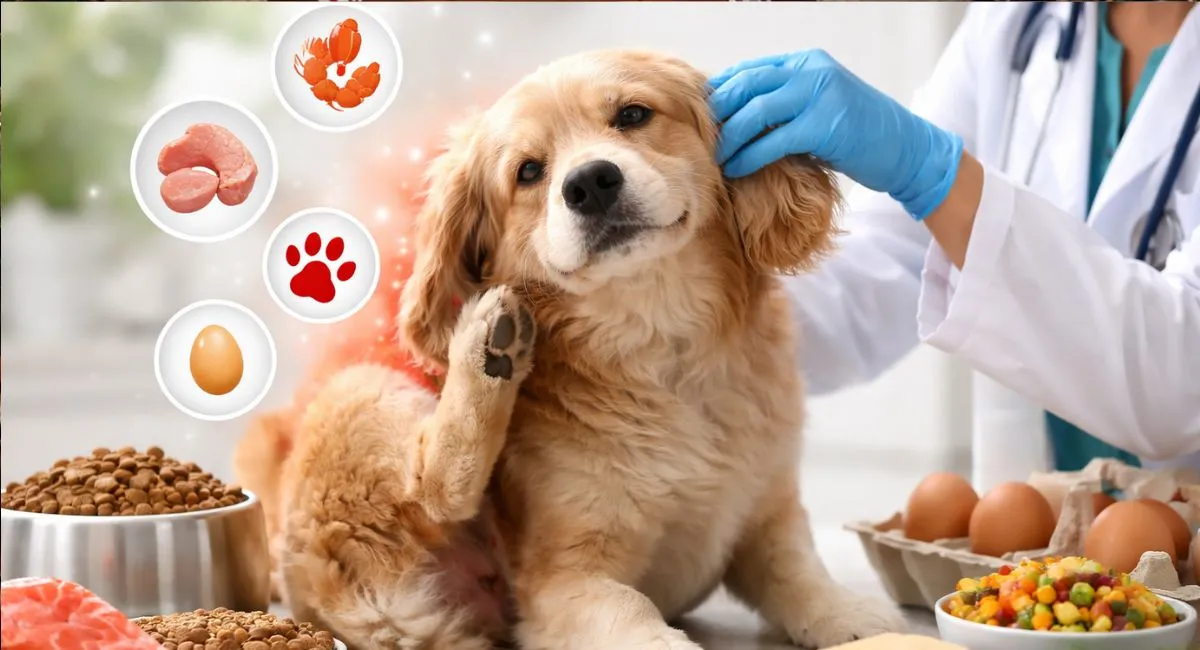
Pet food allergies can often go unnoticed, even when pets show clear signs of discomfort.
Persistent itching, ear infections, or digestive issues may seem minor but could signal a deeper problem.
Understanding pet food allergies and their symptoms is essential for improving your pet’s comfort and overall health.
Understanding Pet Food Allergies
Pet food allergies develop when a dog or cat’s immune system reacts negatively to specific proteins in their diet. Common triggers include beef, dairy, chicken, wheat, and eggs.
While these ingredients are widely used in pet food, they can cause adverse reactions in sensitive animals.
Although pet food allergies account for only 1–2% of veterinary visits, they are more common among pets already experiencing itching, with studies showing 18–29% prevalence in such cases.
Despite this, they are frequently misdiagnosed or overlooked.
Common Signs of Pet Food Allergies
Recognizing the symptoms of pet food allergies is crucial. These signs may include:
- Persistent itching and scratching
- Excessive licking, chewing, or biting the skin
- “Corn cobbing” behavior (chewing on limbs)
- Recurring ear infections
- Digestive problems such as frequent stools or upset stomach
Many pet owners mistakenly attribute these symptoms to seasonal changes, breed traits, or dry weather. However, the frequency and severity of these signs often indicate pet food allergies.
Why Diagnosis Is Challenging?
Diagnosing pet food allergies is not straightforward. According to veterinary experts, there are no reliable blood, saliva, hair, or skin tests currently available for accurate detection.
The only proven method is an elimination diet trial, which involves:
- Feeding a specialized diet that avoids triggering the immune system
- Maintaining the diet strictly for 8–12 weeks
- Avoiding all treats, scraps, or non-approved foods
This process helps identify whether pet food allergies are the root cause of symptoms.
The Role of Elimination Diets
An elimination diet is a structured approach to diagnosing pet food allergies. It typically includes:
- Novel proteins (ingredients the pet has never eaten before)
- Hydrolyzed proteins, broken down into tiny components to avoid immune reactions
Veterinary supervision is essential during this phase to monitor progress and ensure accurate results.
Case Study: Cookie’s Recovery Journey
Cookie, an active chocolate Labrador, initially showed mild symptoms like head shaking and loose stools. Over time, her condition worsened, leading to frequent ear infections and ongoing discomfort.
After consulting a veterinary dermatologist, Cookie began an elimination diet trial. For 8–12 weeks, she consumed only a specialized therapeutic diet.
Results Observed:
- Improved digestion within weeks
- Reduced skin irritation
- Complete stop of ear infections
Once the problematic protein was identified, Cookie transitioned to a balanced diet. Her energy, sleep, and overall well-being improved significantly, demonstrating how addressing pet food allergies can transform a pet’s quality of life.
Why Proper Nutrition Matters?
Nutrition plays a critical role in managing pet food allergies. Studies reveal that up to 83% of over-the-counter “limited ingredient” diets may contain undeclared ingredients, making professional guidance essential.
Therapeutic diets designed for pet food allergies help:
- Minimize allergic reactions
- Support accurate diagnosis
- Enable safe reintroduction of foods (challenge feeding)
When to Consult a Veterinarian?
Pet owners should seek veterinary advice if they notice:
- Persistent itching or scratching
- Recurrent ear infections
- Ongoing digestive issues
Early consultation ensures timely diagnosis and effective management of pet food allergies, preventing long-term discomfort.
Pet food allergies are often underestimated but can significantly impact a pet’s health and happiness. Symptoms like itching, ear infections, and digestive problems should not be ignored.
With proper veterinary guidance and a carefully managed elimination diet, identifying triggers becomes possible.
As seen in Cookie’s case, addressing pet food allergies can lead to lasting relief and a better quality of life for both pets and their owners.
FAQs
1. How long does it take to diagnose pet food allergies?
Diagnosis typically requires an 8–12 week elimination diet trial under veterinary supervision.
Can pet food allergies go away on their own?
No, pet food allergies usually require dietary management and do not resolve without intervention.
Are certain breeds more prone to pet food allergies?
While any pet can develop pet food allergies, some breeds may show higher sensitivity, especially those prone to skin issues.