
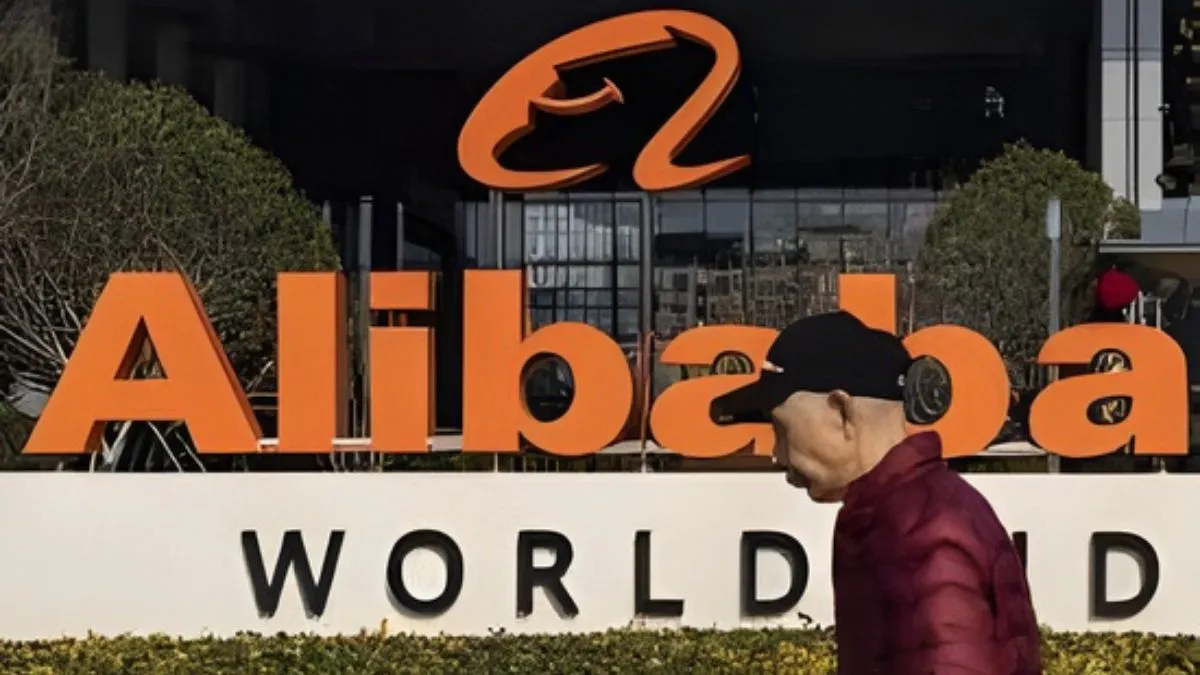
The AI Market Crash has sent shockwaves across global tech markets, with China’s leading giants witnessing massive losses.
Within just 24 hours, Alibaba and Tencent collectively wiped out nearly $66 billion in market value, highlighting growing investor scepticism around artificial intelligence profitability.
This AI Market Crash reflects a broader concern: while companies are investing heavily in AI, the path to revenue remains uncertain.
Massive Sell-Off in Chinese Tech Stocks
The recent AI Market Crash triggered a sharp decline in stock prices for both companies. Alibaba’s US-listed shares recorded their steepest fall since October, while Tencent faced its worst drop in nearly a year.
- Alibaba lost approximately $23 billion in market value
- Tencent saw a staggering $43 billion wiped out
- Hong Kong-listed Alibaba shares fell over 6% in early trading
This AI Market Crash was fueled by investor disappointment, as both firms failed to present a clear roadmap for monetizing their AI investments.
Investor Concerns Over AI Spending
A key driver behind the AI Market Crash is the growing anxiety about rising AI-related expenditures. Both companies are pouring billions into:
- Data centers
- Talent acquisition
- AI model development
However, unlike US tech giants investing over $650 billion collectively, Chinese firms are struggling with weaker consumer demand, which is squeezing profit margins. The AI Market Crash highlights that investors are not against spending—but demand clear returns.
Disappointing Financial Performance
The AI Market Crash was further intensified by Alibaba’s weak financial results. The company reported a significant drop in profitability:
- Quarterly net income plunged by 66–67%
- Revenue missed analyst expectations
- Core e-commerce business faced slow growth
Despite strong growth in cloud and AI-related services, the AI Market Crash indicates that investors remain unconvinced about near-term gains.
The Hype Around AI Agents Fades
Earlier optimism around AI agents played a major role in inflating stock valuations. Platforms like OpenClaw generated excitement by offering automated solutions for everyday tasks such as:
- Email management
- Travel booking
- Workflow automation
However, the AI Market Crash shows that this enthusiasm has cooled. Investors who initially bet on rapid growth reversed their positions when companies failed to demonstrate tangible revenue streams.
Tencent’s Strategy vs Alibaba’s Challenges
While both companies were impacted by the AI Market Crash, their strategies differ significantly.
Tencent’s AI Integration Approach
Tencent is focusing on integrating AI into its ecosystem, particularly through:
- WeChat’s 1.4 billion user base
- AI tools like QClaw and WorkBuddy
- Real-world task automation features
This platform-based strategy has helped Tencent regain some investor confidence despite the broader AI Market Crash.
Alibaba’s Execution Issues
Alibaba, on the other hand, continues to lead in AI model development but faces operational challenges:
- Internal restructuring efforts
- Departure of key developers
- Coordination issues between teams
Although its Qwen AI models are widely adopted, the AI Market Crash suggests that execution concerns are weighing heavily on investor sentiment.
Heavy Competition and Market Pressure
The AI Market Crash also reflects intensifying competition within China’s tech ecosystem. Companies like Baidu and MiniMax are aggressively launching AI products, while industry-wide promotional spending has surged.
Additionally, the Chinese economy’s slowdown has reduced consumer spending, further complicating revenue generation. This environment has amplified the impact of the AI Market Crash, making profitability even more critical.
Alibaba’s Push Toward AI Profitability
In response to the AI Market Crash, Alibaba is taking steps to realign its strategy:
- Launching AI agent “Wukong” for businesses
- Consolidating AI teams under a unified structure
- Focusing on cloud-driven revenue growth
The company also reported a 36% rise in cloud intelligence revenue, signaling long-term potential despite short-term challenges. Still, the AI Market Crash underscores the urgency of converting innovation into income.
The AI Market Crash serves as a reality check for the tech industry, especially in China. While artificial intelligence remains a powerful growth driver, investors are demanding clear monetization strategies.
Alibaba and Tencent’s recent losses highlight the gap between innovation and profitability.
Going forward, the success of these companies will depend on their ability to translate AI investments into measurable revenue. Until then, market volatility is likely to persist, making the AI Market Crash a defining moment in the evolution of the global tech landscape.