
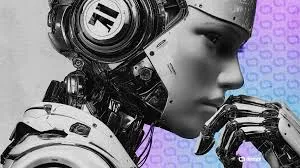
The rise of AI warfare hiring is reshaping how technology companies approach global security challenges. Leading firms like OpenAI and Anthropic are actively recruiting specialists in chemical, biological, and weapons-related fields.
This shift highlights a growing tension between Silicon Valley’s push for ethical AI use and military demands for advanced, unrestricted capabilities.
As artificial intelligence becomes deeply integrated into modern combat systems, AI warfare hiring is no longer optional—it is becoming essential for both innovation and risk management.
Why AI Companies Are Hiring Weapons Experts?
Preventing Catastrophic Misuse
One of the main drivers behind AI warfare hiring is the need to avoid dangerous misuse of powerful AI systems. Anthropic, for example, is seeking experts in chemical weapons and high-yield explosives to build safeguards against potential threats.
Similarly, OpenAI is recruiting researchers focused on biological and chemical risk assessment. These roles are designed to ensure that AI tools are not exploited to create harmful substances or assist in large-scale attacks.
By expanding AI warfare hiring, companies aim to embed safety mechanisms directly into their systems.
AI’s Expanding Role in Modern Warfare
From Intelligence to Battlefield Strategy
Artificial intelligence is rapidly becoming a core component of military operations. Through AI warfare hiring, companies are supporting applications such as:
- Intelligence data analysis
- Battlefield simulation and planning
- Cybersecurity operations
- Target identification systems
Reports indicate that AI models are already being used to simulate combat scenarios and assist in strategic decision-making. This growing reliance explains why AI warfare hiring is accelerating across the industry.
Anthropic vs Pentagon: A Growing Conflict
The Supply Chain Risk Dispute
The debate around AI warfare hiring intensified when the United States Department of Defence labelled Anthropic as a “supply chain risk.” This decision required federal agencies to phase out its technology within six months.
The conflict arose due to disagreements over how AI should be deployed. Anthropic insisted on strict safeguards, including:
- No use for mass domestic surveillance
- No development of fully autonomous weapons
This clash highlights the broader implications of AI warfare hiring, where ethical boundaries meet military priorities.
Use of AI in US Military Operations
Deployment of Claude AI
Despite restrictions, reports suggest that Anthropic’s AI model Claude continued to support U.S. military efforts during operations involving United States and Iran.
Claude was reportedly used for:
- Intelligence evaluation
- Target identification
- Airstrike planning simulations
The continued deployment of such tools demonstrates how critical AI warfare hiring has become in maintaining operational effectiveness.
Ethics vs Military Demands
Silicon Valley vs Defense Priorities
At the heart of the debate is a fundamental divide. Tech companies emphasize responsible AI development, while defense agencies seek maximum utility from advanced technologies.
AI warfare hiring reflects this balance—bringing in domain experts who can both enable innovation and enforce ethical constraints.
This ongoing tension is likely to shape future policies, regulations, and partnerships between tech firms and governments.
The surge in AI warfare hiring marks a pivotal moment in the evolution of artificial intelligence. As AI systems become deeply embedded in military strategies, companies like OpenAI and Anthropic are proactively addressing risks by hiring specialized experts.
However, the ongoing conflict between ethical safeguards and defense requirements underscores a complex future. Striking the right balance will be crucial to ensuring that AI enhances security without compromising global safety.