
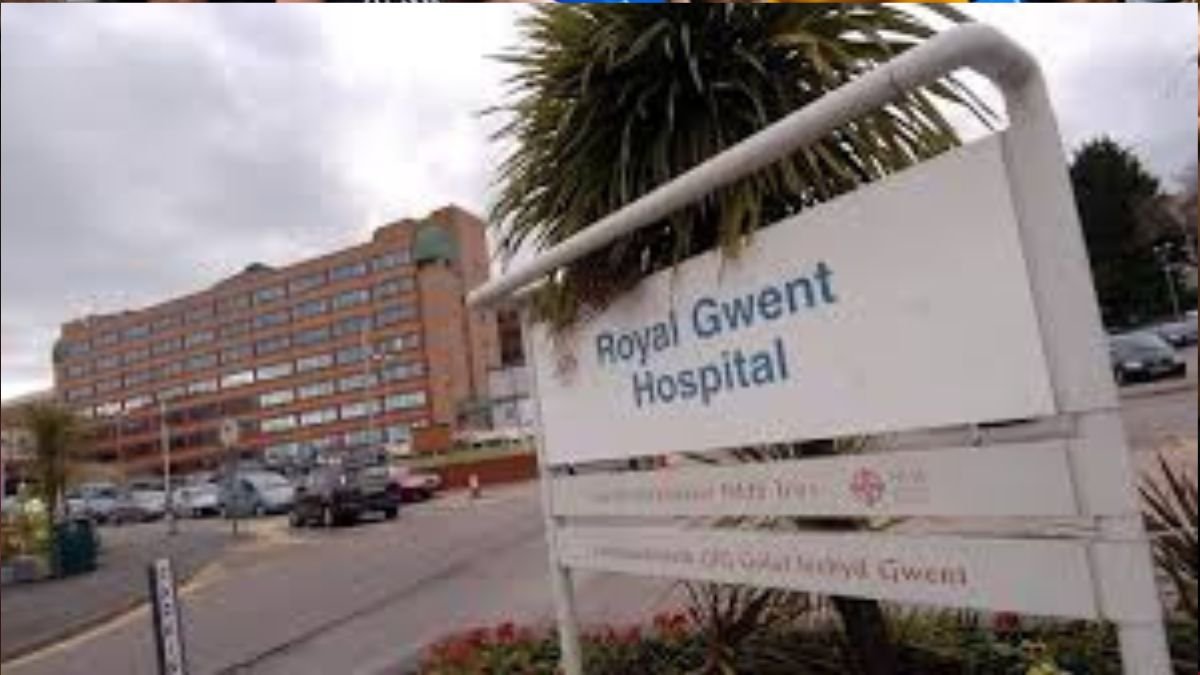
A serious Hospital Sterilization Error has raised concerns about patient safety and transparency after 21 individuals were treated with improperly prepared surgical instruments at a UK hospital.
The incident, which included a 15-year-old patient, has sparked outrage due to delayed communication despite potential exposure to dangerous infections like HIV and hepatitis.
What Happened at the Hospital?
The Hospital Sterilization Error occurred at a medical facility in Newport, Wales, where surgical instruments used on Feb. 25 and Feb. 26 were not fully sterilized according to standard medical protocols. Although the tools were disinfected, they did not undergo the complete sterilization process required to eliminate all harmful pathogens.
Hospital staff identified the issue on Feb. 27, just one day after the instruments had been used. However, affected patients were not notified until March 16—nearly three weeks later. This delay has become a central point of criticism surrounding the Hospital Sterilization Error.
Potential Health Risks Involved
Improperly sterilized surgical equipment can carry serious health risks. In this Hospital Sterilization Error, patients were potentially exposed to bloodborne infections such as HIV and hepatitis.
While officials have stated that the likelihood of transmission is “extremely low,” the psychological and medical implications remain significant.
All 21 patients have been offered precautionary testing to monitor their health over time. In particular, the 15-year-old patient will require follow-up tests for the next six months to ensure no infection develops as a result of the Hospital Sterilization Error.
Hospital’s Response and Investigation
The health authority responsible for the hospital has publicly apologized for the Hospital Sterilization Error, acknowledging the distress caused to patients and their families. Officials emphasized that patient safety remains their top priority and confirmed that a full investigation is underway.
According to the official statement, steps are being taken to understand how this lapse occurred and to prevent similar incidents in the future. The organization also described the situation as an isolated case, stating there is no broader risk linked to this Hospital Sterilization Error.
Family Reactions and Public Concern
The parents of the affected teenager expressed strong frustration over how the situation was handled. They believe the delay in communication surrounding the Hospital Sterilization Error was unacceptable and may have worsened the situation.
The boy’s mother described the emotional difficulty of explaining such a serious health concern to a child, while his father suggested that the hospital may have attempted to delay disclosure. Their concerns highlight the importance of transparency in healthcare, especially in cases involving a Hospital Sterilization Error.
Impact of Delayed Communication
One of the most alarming aspects of this Hospital Sterilization Error is the three-week delay in informing patients. During this time, individuals may have unknowingly exposed others if any infection had occurred.
Healthcare experts stress that timely communication is critical in such scenarios, not only for early testing and treatment but also to prevent further spread. The delay has intensified public scrutiny and raised questions about hospital protocols in managing a Hospital Sterilization Error.
The Hospital Sterilization Error in this case underscores the importance of strict adherence to medical safety standards and immediate transparency when mistakes occur. While the clinical risk may be low, the emotional toll and potential consequences for patients are significant.
Hospitals must ensure robust systems are in place to prevent such errors and respond swiftly when they happen. Clear communication, accountability, and patient-centred care are essential to maintaining trust in healthcare systems.