
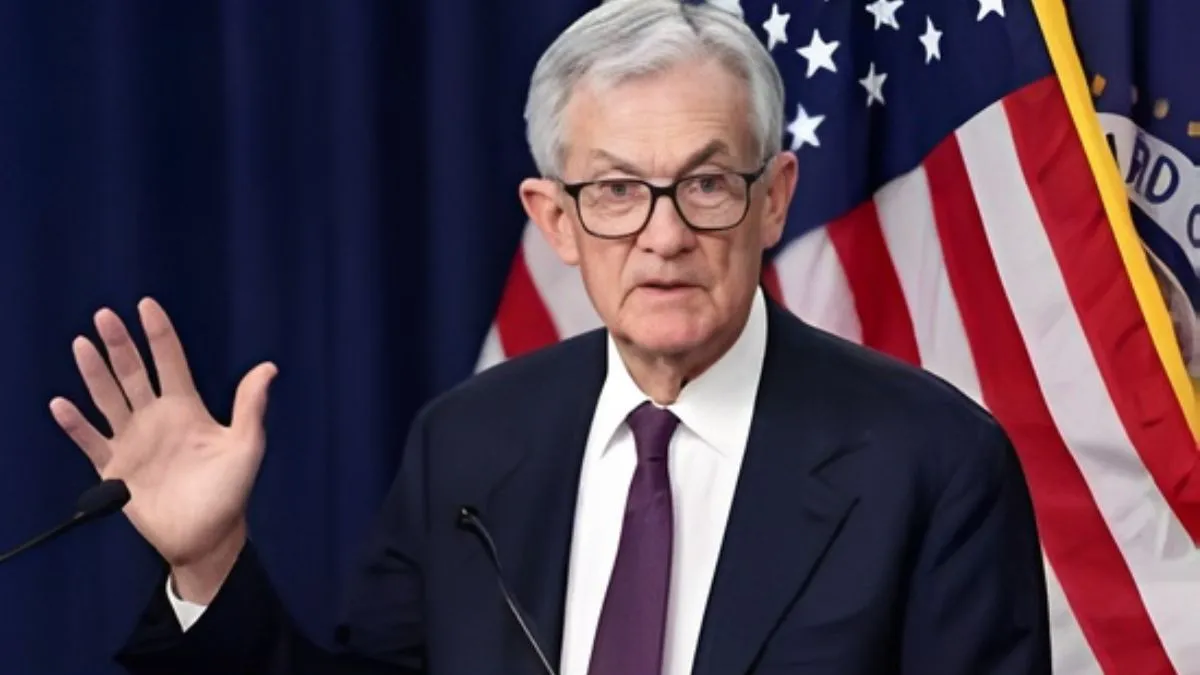
The possibility of an Interest Rate Hold has strengthened as global tensions rise due to the ongoing conflict involving Iran.
Economic uncertainty, rising oil prices, and volatile financial markets have significantly altered earlier expectations.
Analysts who once predicted a rate cut are now reconsidering, as central banks adopt a cautious approach to stabilize inflation and growth.
Why an Interest Rate Hold Is Expected
Shift from Rate Cut to Interest Rate Hold
Before geopolitical tensions escalated, economists widely anticipated a reduction in borrowing costs. However, the sudden economic disruption has led to a strong expectation of an Interest Rate Hold. Policymakers are now prioritizing stability over immediate monetary easing.
The benchmark rate, currently at 3.75%, is likely to remain unchanged. This reflects a strategic pause, allowing authorities to assess how long the economic shock will persist.
Impact of Iran Conflict on Global Economy
Oil Prices Driving Inflation Concerns
One of the key reasons behind the expected Interest Rate Hold is the surge in oil prices. Disruptions in critical trade routes, especially the Strait of Hormuz, have tightened global supply chains.
As energy costs rise, households may soon face:
- Higher petrol prices
- Increased heating and electricity bills
- Elevated transportation costs
These factors directly contribute to inflation, making it harder for central banks to justify lowering interest rates.
Inflation Outlook and Policy Response
Inflation Pressures Delay Rate Cuts
Earlier, inflation had dropped to around 3%, bringing optimism that it would move closer to the 2% target. However, the recent surge in energy prices has reversed that outlook.
An Interest Rate Hold allows policymakers to:
- Monitor inflation trends
- Evaluate economic resilience
- Avoid premature policy changes
Some experts even suggest that if the conflict prolongs, interest rates could increase instead of decreasing.
Mortgage Rates React to Market Uncertainty
Rising Borrowing Costs for Homebuyers
The expectation of an Interest Rate Hold has already influenced lending markets. Mortgage providers have responded to uncertainty by increasing rates and withdrawing certain deals.
Recent trends show:
- Two-year fixed mortgage rates rising from 4.83% to 5.32%
- Five-year fixed rates increasing from 4.95% to 5.37%
This means borrowers will face higher monthly repayments, reducing affordability for many households.
Wider Impact on Consumers
Credit and Loans Becoming Expensive
An extended Interest Rate Hold affects more than just mortgages. Other forms of borrowing are also becoming costlier, including:
- Credit cards
- Personal loans
- Consumer financing
Lower-income households are likely to feel the greatest impact, as essential expenses such as food, energy, and transport continue to rise.
Effect on Savers
Temporary Stability for Savings Rates
While borrowers may struggle, savers could benefit slightly from an Interest Rate Hold. Stable rates mean banks are less likely to cut returns on savings accounts.
However:
- Around 60% of savings accounts still fail to outperform the base rate
- Gains for savers remain marginal
Despite some increases in short-term fixed savings rates, overall returns are still limited.
Economic Uncertainty and Future Outlook
Will the Interest Rate Hold Continue?
The duration of the Interest Rate Hold depends heavily on how the geopolitical situation evolves. If the conflict continues to disrupt global markets, central banks may maintain or even tighten their stance.
Key factors to watch include:
- Oil price trends
- Inflation trajectory
- Global economic stability
The uncertainty has made future predictions less reliable, leaving markets cautious.
The likelihood of an Interest Rate Hold highlights the delicate balance policymakers must maintain in uncertain times. While earlier signals pointed toward rate cuts, rising inflation risks driven by geopolitical tensions have forced a reassessment.
This cautious stance aims to protect economic stability, even though it places additional pressure on borrowers.
As the global situation evolves, the future direction of interest rates will depend largely on inflation trends and the duration of economic disruptions.