
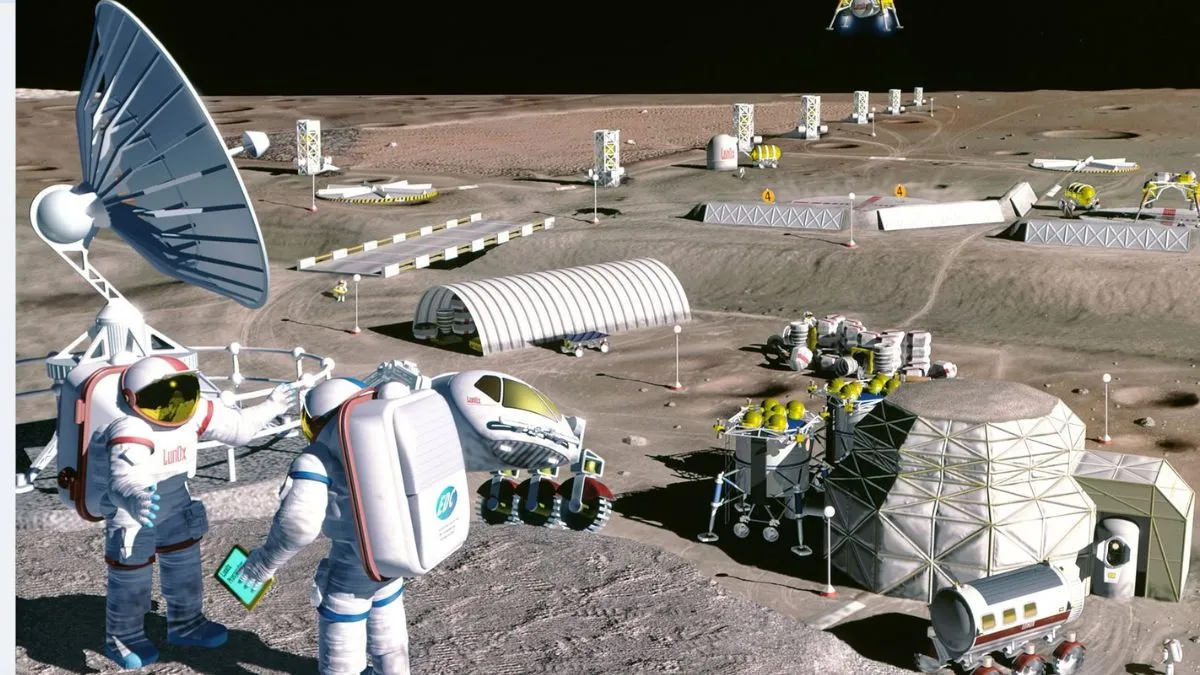
The Artemis Accords challenges continue to shape global discussions around lunar exploration, as key rules about emergencies and “harmful interference” on the Moon remain unresolved even five years after their introduction.
Led by NASA, the Artemis program aims to establish long-term human presence on the Moon, but policy gaps are becoming increasingly evident.
Background of the Artemis Accords
The Artemis Accords challenges stem from a lack of detailed frameworks despite more than 60 nations signing the agreement. The accords were designed to promote peaceful cooperation, transparency, and interoperability among countries involved in lunar missions.
Countries such as United States, Australia, and United Arab Emirates have actively participated in discussions to refine these principles. However, the rapid pace of lunar ambitions has exposed gaps that need urgent attention.
Unresolved Emergency Protocols
One of the biggest Artemis Accords challenges is how nations should respond to emergencies on the Moon. During discussions at the International Astronautical Congress in Sydney, experts highlighted the absence of clear guidelines.
Officials raised concerns about scenarios where assistance may be required between nations that are not part of the accords. Differences in political relations, communication systems, and technology compatibility could complicate rescue efforts.
The principle of interoperability—ensuring systems can work together—is central to improving safety. However, real-world implementation remains uncertain, especially when dealing with non-signatory countries.
The Complexity of Lunar Safety Zones
Another critical aspect of the Artemis Accords challenges is defining “safety zones.” These zones are intended to prevent interference with lunar operations such as landings, habitats, and resource extraction.
However, there is no universally accepted definition of how large these zones should be or how they should function. Experts emphasize that safety zones could vary significantly in size depending on the activity, making standardization difficult.
Without clear guidelines, these zones risk becoming points of conflict rather than cooperation.
Harmful Interference: A Gray Area
Closely linked to safety zones is the concept of “harmful interference,” another unresolved issue contributing to the Artemis Accords challenges. While minor interference may occur regularly, determining what qualifies as harmful is still unclear.
This ambiguity makes it difficult to enforce rules or resolve disputes, particularly as more countries and private companies plan lunar missions.
Geopolitical Tensions and Non-Signatories
The Artemis Accords challenges are further complicated by the absence of major space players like China and Russia. These nations are collaborating on the International Lunar Research Station (ILRS), a separate initiative.
Their exclusion raises concerns about coordination during emergencies and increases the risk of conflicting approaches to lunar governance.
Additionally, critics argue that safety zones could be interpreted as indirect territorial claims, which would violate the Outer Space Treaty that prohibits ownership of celestial bodies.
Rising Competition at the Lunar South Pole
The Artemis Accords challenges are particularly urgent at the Moon’s south pole, a region rich in solar energy and potential water ice deposits. Both the United States and China are targeting this area for future missions.
As competition intensifies, the absence of clear rules could lead to misunderstandings or disputes. Establishing mutually accepted guidelines is essential to ensure peaceful exploration.
Need for Clear International Frameworks
Despite ongoing workshops and discussions, the Artemis Accords challenges highlight the need for more detailed and enforceable policies. Experts stress the importance of defining emergency protocols, safety zones, and interference thresholds before lunar activity significantly increases.
Failure to address these issues could undermine the collaborative spirit of space exploration.
The Artemis Accords challenges underscore a critical moment in the future of lunar exploration.
While the accords have successfully united over 60 nations under shared principles, major gaps remain in defining emergency responses, safety zones, and harmful interference.
As global interest in the Moon accelerates, resolving these uncertainties is essential to prevent conflict and ensure safe, cooperative exploration.
Without clear frameworks, the risks associated with lunar missions could increase significantly, potentially hindering progress in this new era of space exploration.