
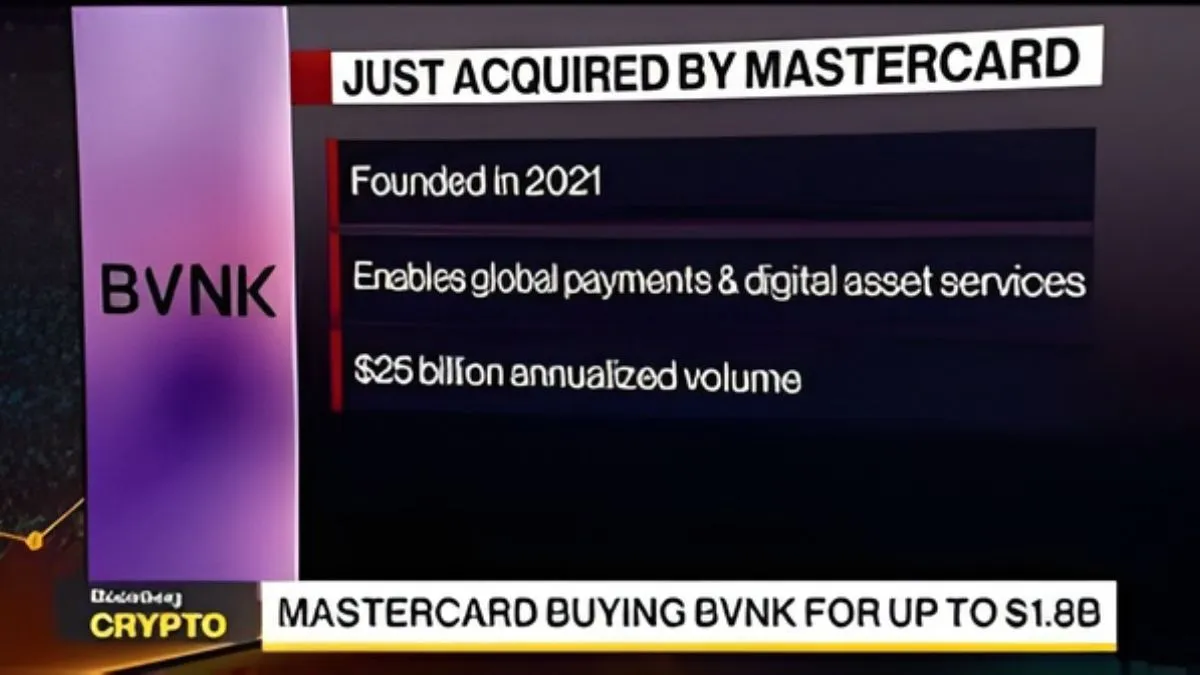
The stablecoin acquisition by Mastercard marks a major turning point in the evolution of digital payments.
The company has agreed to acquire London-based crypto startup BVNK for up to $1.8 billion, signaling a bold move into blockchain-powered financial infrastructure.
This stablecoin acquisition highlights Mastercard’s strategy to stay competitive in a rapidly evolving fintech ecosystem.
Deal Overview and Financial Details
The stablecoin acquisition deal is valued at up to $1.8 billion, with approximately $300 million tied to contingent payments based on performance milestones. According to Mastercard’s leadership, the transaction is expected to close by the end of the year.
This stablecoin acquisition comes after months of intermittent negotiations involving multiple potential buyers. Notably, Coinbase had nearly finalized a $2 billion deal for BVNK before talks fell apart in late 2025.
By securing BVNK, Mastercard has surpassed previous industry benchmarks, including Stripe’s $1.1 billion acquisition of Bridge in 2025, making this the largest stablecoin acquisition in the crypto sector to date.
What BVNK Brings to Mastercard
BVNK specializes in leveraging stablecoins—cryptocurrencies pegged to fiat currencies like the U.S. dollar—to facilitate faster and cheaper financial transactions. Its platform supports:
- Cross-border payments
- Customer transaction processing
- Global treasury operations
- Blockchain-based payment rails
Through this stablecoin acquisition, Mastercard gains access to advanced infrastructure that enables near-instant settlements and reduced transaction costs. These capabilities are expected to enhance Mastercard’s global payment network and expand its reach into emerging digital markets.
Strategic Importance of Stablecoins
The stablecoin acquisition aligns with growing industry interest in blockchain-based financial systems. Stablecoins are increasingly seen as efficient alternatives to traditional payment rails, offering:
- Lower fees
- Faster processing times
- Enhanced transparency
However, the rise of stablecoins has also sparked concerns about their potential to disrupt established payment networks like Mastercard. Despite these concerns, Mastercard maintains that most financial transactions will continue to begin and end in fiat currencies.
Regulatory Landscape and Market Impact
The timing of this stablecoin acquisition is significant, as regulatory clarity around stablecoins has improved. In 2025, the U.S. government passed the Genius Act, which established guidelines for stablecoin usage. The legislation was signed into law by Donald Trump, boosting investor confidence in the sector.
Following the announcement of the stablecoin acquisition, Mastercard’s stock rose approximately 2.5% in pre-market trading, reflecting positive market sentiment toward the deal.
Mastercard’s Broader Crypto Strategy
This stablecoin acquisition is part of Mastercard’s broader effort to integrate blockchain technology into its services. Over the past year, the company has explored multiple acquisition opportunities, including discussions with crypto infrastructure firm Zerohash, though that deal did not materialize.
By acquiring BVNK, Mastercard demonstrates its commitment to innovation and its willingness to adapt to technological shifts in the payments industry. The stablecoin acquisition also positions the company to tap into new revenue streams and customer segments.
The stablecoin acquisition of BVNK by Mastercard represents a landmark moment in the convergence of traditional finance and blockchain technology.
By investing heavily in stablecoin infrastructure, Mastercard is not only addressing competitive pressures but also preparing for the future of digital payments.
This deal underscores the growing importance of stablecoins in global finance and sets a new benchmark for acquisitions in the crypto industry.