
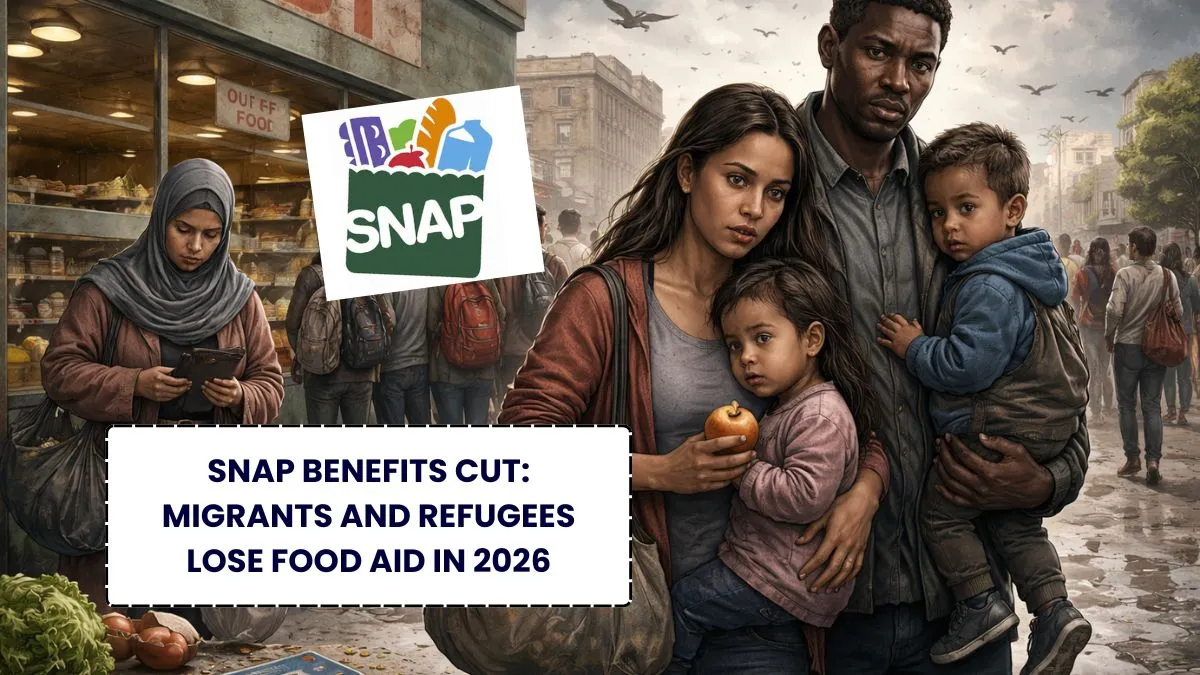
The SNAP Benefits Cut is now affecting thousands of people across the United States. New federal rules are being enforced in states like California and Illinois, leading to the loss of food assistance for many migrants and refugees.
This change has raised serious concerns among communities, as thousands who once depended on SNAP are now struggling to access basic nutrition support.
What Is Changing in SNAP Eligibility?
New Federal Restrictions Explained
Under the updated rules, the SNAP Benefits Cut limits who can receive food assistance. Earlier, several groups of legally present immigrants—such as refugees, asylees, and survivors of trafficking—could qualify if they met income requirements.
Now, eligibility has been significantly reduced. The program mainly supports:
- U.S. citizens
- Certain lawful permanent residents (green card holders)
- A few protected groups like some Cuban and Haitian entrants
Importantly, undocumented individuals were never eligible for SNAP benefits, and this policy remains unchanged.
Who Is Losing SNAP Benefits?
Thousands Affected Across States
Due to the SNAP Benefits Cut, many lawfully present immigrants who previously qualified are no longer eligible. Reports suggest that around 72,000 immigrants could lose access to food assistance, especially in California.
These individuals:
- May have been receiving benefits for years
- Still meet income requirements
- Are now excluded due to stricter immigration rules
As a result, many families are expected to face food insecurity and financial stress.
Implementation Timeline Across States
When Did the Changes Begin?
The SNAP Benefits Cut is already being implemented in several states:
- California: Changes started on April 1, 2026
- Illinois: Also began enforcement on April 1, 2026
- Minnesota: Started earlier on March 1, 2026
- Other states are gradually adopting the same federal rules
In California, current recipients will continue receiving benefits until their next recertification period (usually within 12 months). However, new applicants from affected categories are now being denied.
Why These Changes Were Introduced
The Role of Federal Legislation
The SNAP Benefits Cut comes from a law passed in July 2025 called the One Big Beautiful Bill Act. This legislation aimed to:
- Reduce fraud and misuse in SNAP
- Strengthen work requirements
- Limit benefits for noncitizens
Government officials argue that the policy ensures resources are directed toward eligible citizens and reduces program errors.
Impact on Communities and Food Banks
Rising Pressure on Local Support Systems
The SNAP Benefits Cut is expected to increase demand for alternative food sources. Community leaders warn that:
- Food banks may see longer lines
- Shelters could become overcrowded
- Resources may be stretched beyond capacity
Local advocates have already expressed concerns that many families will turn to food banks for survival, especially as economic pressures continue.
What Happens Next?
Future Rollout Across the U.S.
States across the country are required to follow federal law, meaning the SNAP Benefits Cut will expand nationwide. As more states adopt these rules:
- More immigrants could lose eligibility
- Food insecurity may rise in vulnerable communities
- Local support systems will need to adapt quickly
The SNAP Benefits Cut marks a major shift in how food assistance is distributed in the United States. While the policy aims to tighten program rules and reduce misuse, it also leaves thousands of legally present immigrants without critical support.
As states continue implementing these changes, the real impact will be seen in growing demand for food banks and increased hardship for affected families. Policymakers and communities alike will need to find solutions to balance program integrity with humanitarian needs.
FAQs
1. What is the SNAP Benefits Cut?
The SNAP Benefits Cut refers to new federal rules that limit food assistance eligibility, especially for certain immigrant groups.
2. Who is most affected by these changes?
Lawfully present immigrants such as refugees and asylees who were previously eligible are now losing access to SNAP benefits.
3. When did these changes start?
The SNAP Benefits Cut began rolling out in 2026, with states like California and Illinois starting on April 1.